
Science Together: Flubber
Sciencenter 601 1st Street, Ithaca, NY, United StatesUse a variety of tools to explore and make observations about the fun properties of Flubber! Science Together activities are designed for ages 0-4.

Open Tuesday–Sunday: 10:00am to 5:00pm
Use a variety of tools to explore and make observations about the fun properties of Flubber! Science Together activities are designed for ages 0-4.
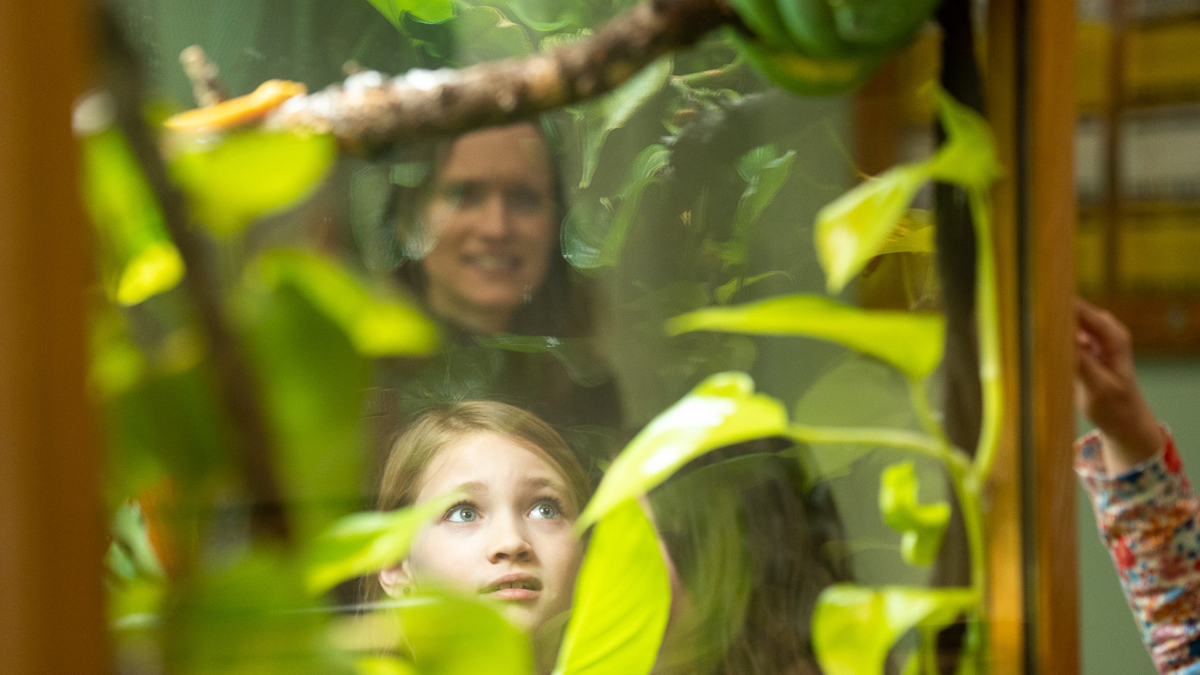
Join an Animal Keeper to observe snakes, lizards, frogs, and fish snacking on their preferred prey.
Use a variety of tools to explore and make observations about the fun properties of Flubber! Science Together activities are designed for ages 0-4.
Use a variety of tools to explore and make observations about the fun properties of Flubber! Science Together activities are designed for ages 0-4.
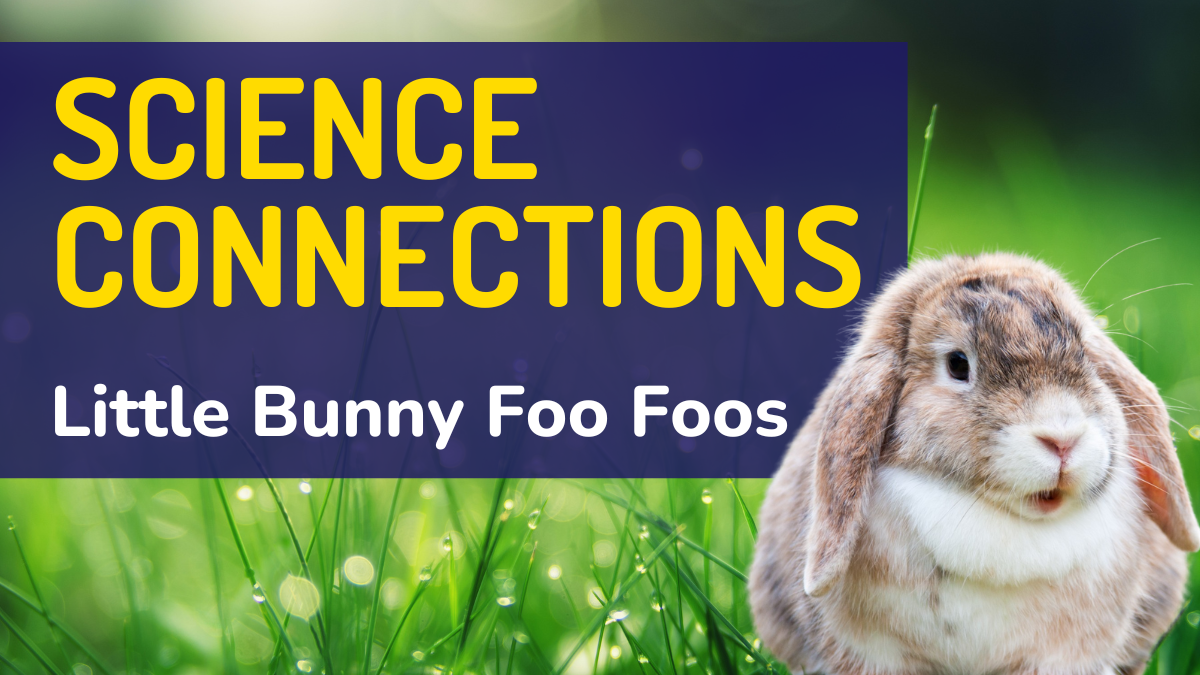
Come to learn all about domestic rabbits from the Tompkins County 4-H Little Bunny Foo Foos club. They will bring rabbits to pet and answer questions and put on a rabbit hopping demonstration.
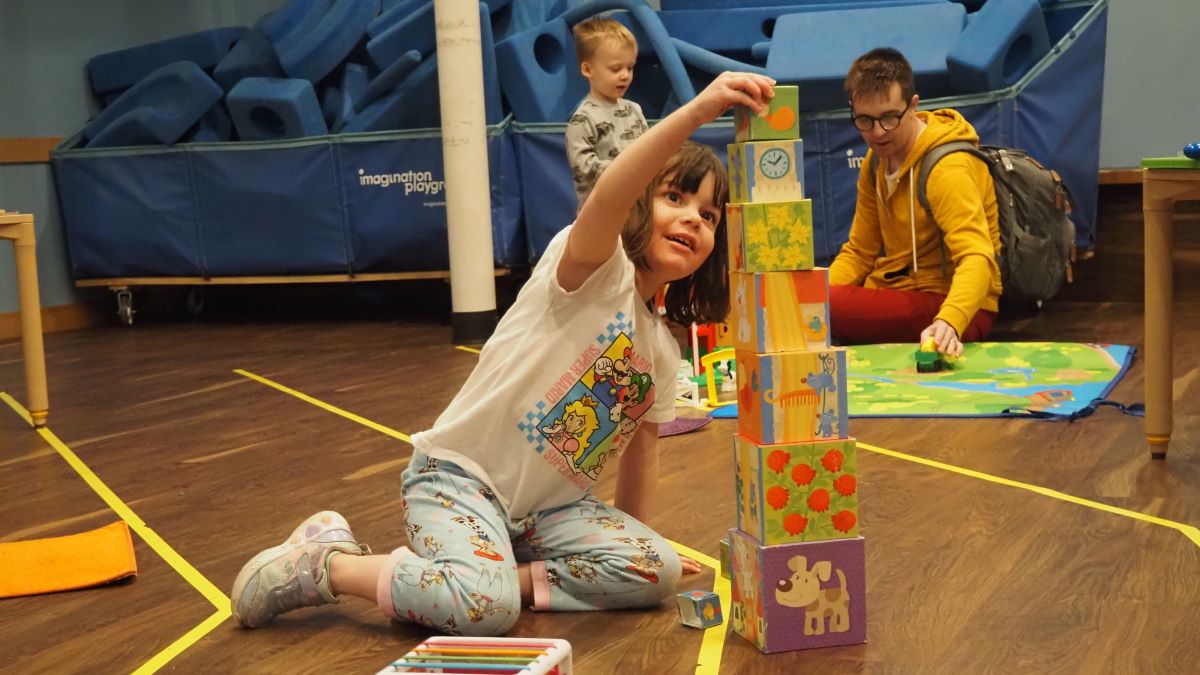
Join the Sciencenter and the Finger Lakes Toy Library for our July playtime!
Join an Animal Keeper to observe snakes, lizards, frogs, and fish snacking on their preferred prey.

Join Boyce Thompson Institute summer plant science research interns with an engaging and fun plant-related activity! Learn about the fun science of plant science research, such as planting seeds, learning about leaves, or other ways to engage with plants and their importance to the world around us.
Join an Animal Keeper to observe snakes, lizards, frogs, and fish snacking on their preferred prey.
Join experts from Cornell's iGEM team to learn about synthetic biology!
Join an Animal Keeper to observe snakes, lizards, frogs, and fish snacking on their preferred prey.

Join SUNY Cortland and Cornell University lab students to learn about animal science! Participants will have the opportunity to examine the parts of a cow's stomach, manipulate trays and jars of cow feed, examine microorganisms from a cow's digestive fluid under a microscope, put their hands inside a live fistulated Cornell cow, and learn about how making milk production more efficient can reduce our environmental impact and improve food security.